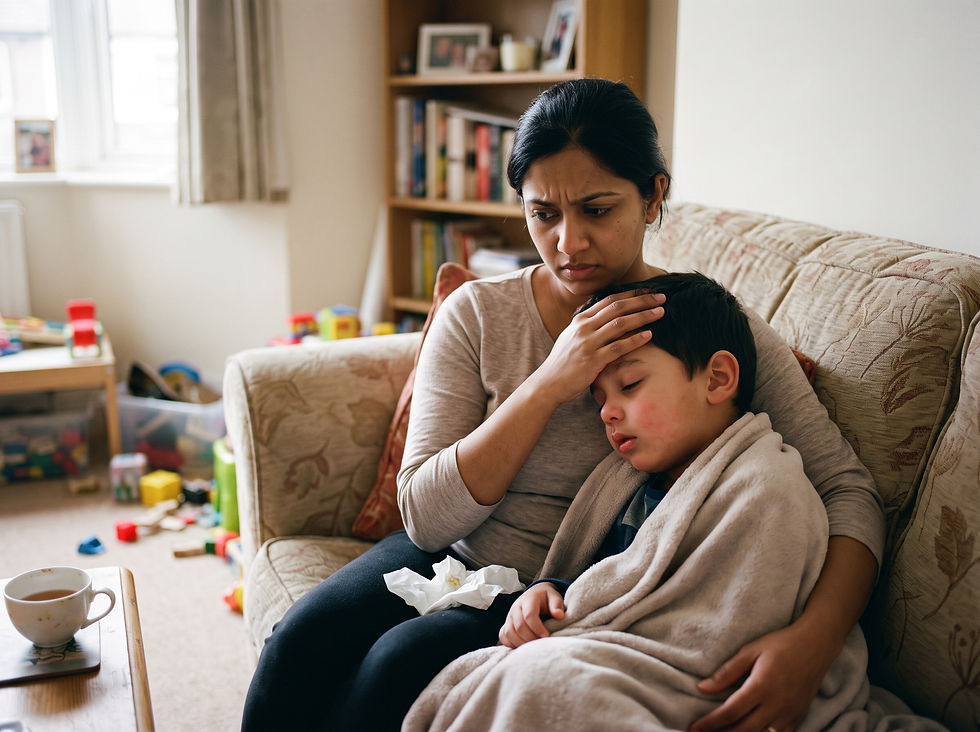
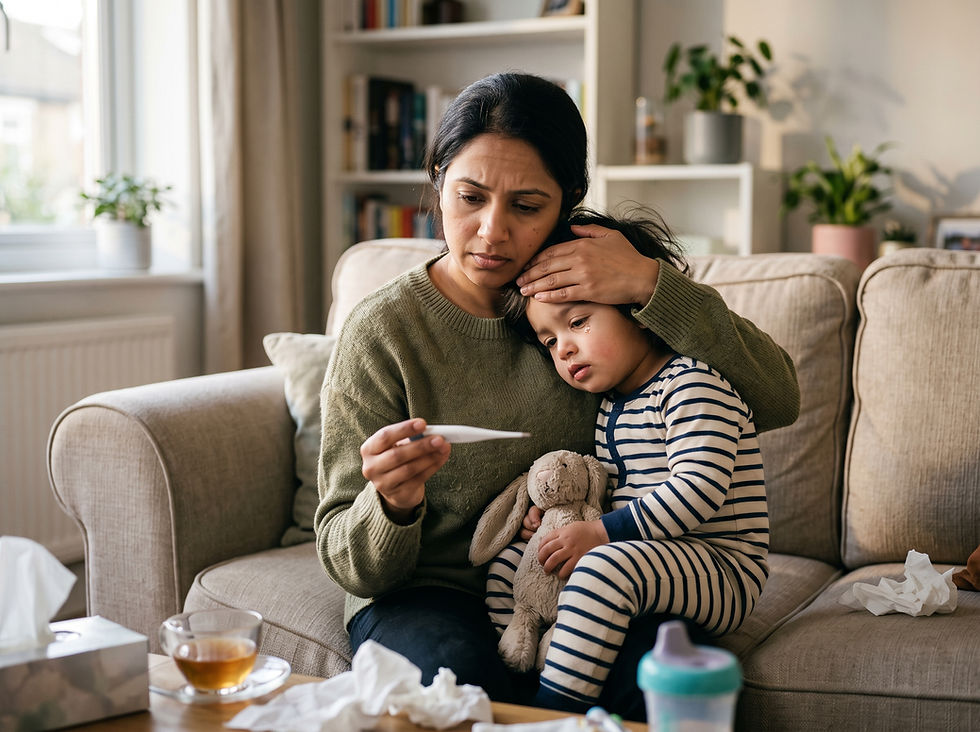
Q: Why does my child have a persistent low-grade fever for 8 days after nasal bone surgery?

Medically reviewed by Sang Hyun Ahn, MD
Content edited by Myeongchan Kim, MD
This post is a dramatization of a question and answer session experienced by our actual medical reviewers. Please note that this content is for informational purposes only and does not constitute medical advice. Always consult with a qualified healthcare professional for any health concerns or before making any decisions related to your health or treatment.
Question:
My child has had a persistent low-grade fever for 8 days now. While sleeping in the early morning, their temperature stays in the 36s (°C) with some head sweating. When waking up, it reaches around 37.0°C. During the day, it stays between 37.3°C and 37.5°C, peaks at 37.7°C to 37.8°C in the evening, and drops back to 37.3–37.5°C before bedtime.
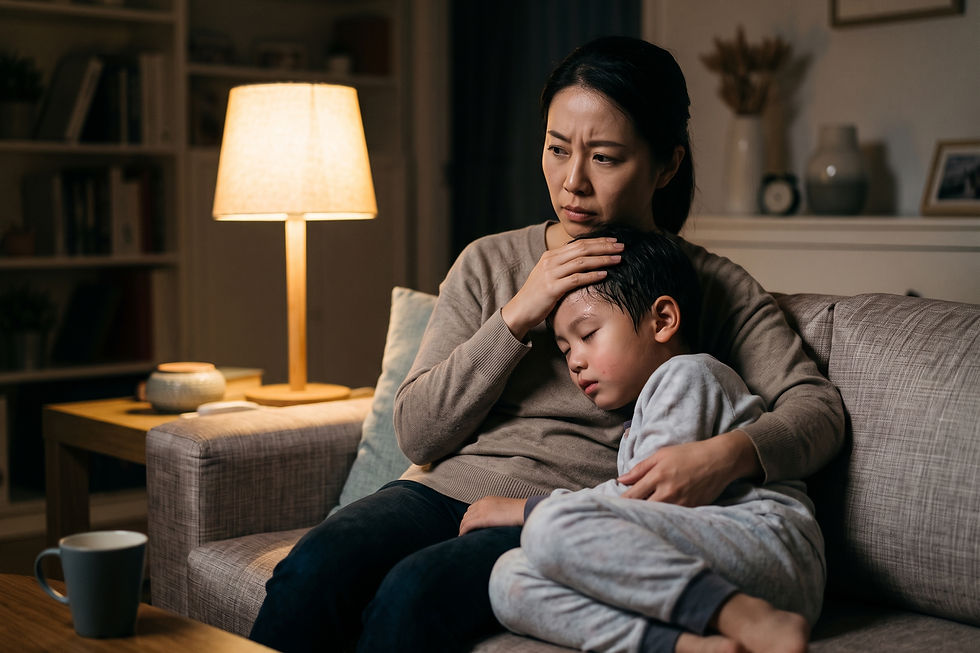
Last week, before nasal bone surgery, a blood test showed slightly elevated white blood cells (WBC), but the doctor deemed it safe to proceed. The child had a stomachache and vomited once after fasting for blood work and eating bread and milk, but has tolerated soft porridge since, and their stool has been normal. A pediatrician mentioned mild enteritis at the time. Nasal packing was removed today, but the temperature still hit 37.8°C tonight. There are no cold or respiratory symptoms. Why is this low-grade fever continuing, and should I be concerned?
Answer:
It is completely understandable to feel worried seeing a persistent low-grade fever, especially following surgery.
A normal body temperature naturally fluctuates throughout the day—often lower in the early morning and peaking in the late afternoon or evening. Temperatures between 37.3°C and 37.8°C are considered low-grade fevers or borderline elevated temperatures, not true high fevers (which are generally defined as 38.0°C or higher).
Why this might be happening:
Normal Post-Surgical Inflammatory Response: Tissue healing and inflammation after nasal surgery can cause mild temperature elevations that can linger for 1 to 2 weeks.
Recovery from a Mild Viral Infection or Enteritis: The stomachache, vomiting, and slightly elevated white blood cell count before surgery suggest a mild viral infection or enteritis. The body can take several days to completely clear this, during which mild temperature instability can persist.
Surgical Site Irritation or Infection: While the nasal packing was removed today, any lingering inflammation or, less commonly, a localized infection in the nasal cavity could contribute to a low-grade fever.
What you can do at home:
Maintain Hydration and Nutrition: Continue offering plenty of fluids and easy-to-digest, soft meals to support tissue healing.
Optimize the Environment: Keep the room temperature comfortable (around 20–22°C or 68–72°F) and dress your child in lightweight, breathable clothing. Avoid overdressing if your child is sweating.
Reserve Fever Reducers for Discomfort: Fevers in the 37°C range generally do not require medication unless your child is visibly uncomfortable or in pain.
Monitor General Well-being: Keep track of your child’s energy levels, appetite, sleep patterns, and urination.
When to seek immediate medical attention:
Contact your surgeon or pediatrician right away if you notice any of the following:
A temperature rising to 38.5°C (101.3°F) or higher, or a true fever persisting beyond 3 days.
Worsening facial swelling, severe pain, foul-smelling nasal discharge, or active bleeding from the nose.
Return of vomiting, diarrhea, or signs of dehydration (significantly decreased urination, dry mouth).
Unusual lethargy, extreme fussiness, or difficulty waking up.
Rapid breathing or chest discomfort.
If your child is active, eating well, and showing no signs of distress, careful monitoring is reasonable. However, because this low-grade temperature elevation has lasted for 8 days and follows a surgical procedure, it is recommended to contact your child’s surgical team or pediatrician for an in-person follow-up to evaluate the surgical site and ensure healing is progressing as expected.

For extra peace of mind and clear guidance when tracking your child's symptoms, the FeverCoach app is always there to help.