
Q: My child slept for 13 hours but is still constantly yawning and fatigued today. Are they sick?

Updated: Sep 7
Medically reviewed by Sang Hyun Ahn, MD
Content edited by Myeongchan Kim, MD
This post is a dramatization of a question and answer session experienced by our actual medical reviewers. Please note that this content is for informational purposes only and does not constitute medical advice. Always consult with a qualified healthcare professional for any health concerns or before making any decisions related to your health or treatment.
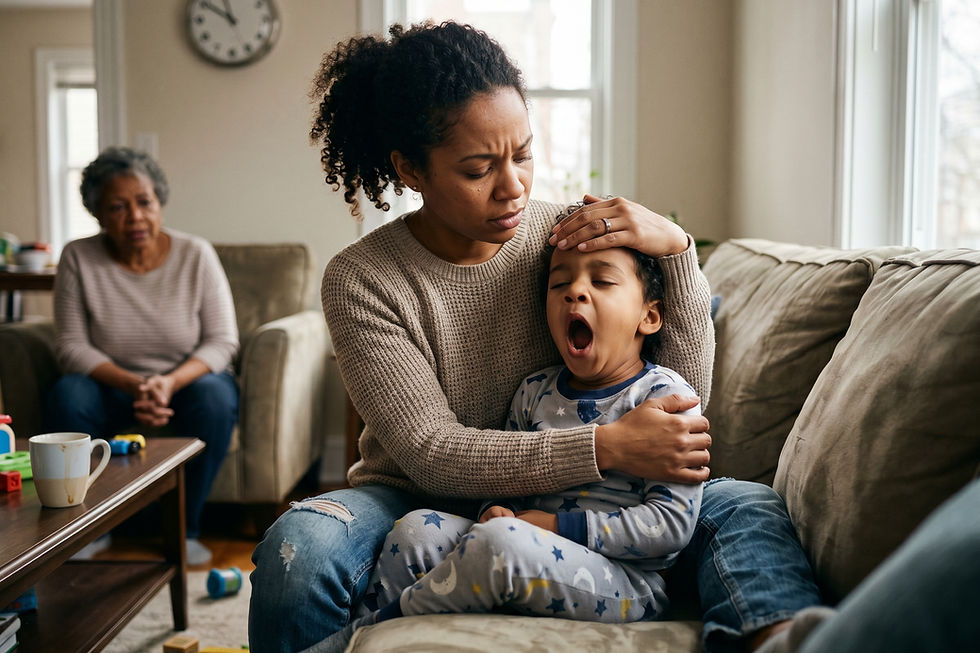
Question:
My child slept for 13 hours last night (from 9 PM to 10 AM) but is still constantly yawning and acting extremely fatigued today. They usually aren't like this. Could sleeping too much cause this, or could they be coming down with an illness?
Answer:
It is completely understandable to be worried when your child appears unusually lethargic despite getting plenty of sleep.
Here are a few things to check and consider regarding your child's condition:
What to check right now:
Fever: Check their temperature (feel their forehead/neck or use a thermometer).
Appetite: Are they eating as they usually do?
Hydration: Is the color and frequency of their urination normal?
Pain: Are they complaining of a headache, stomachache, or sore throat?
Breathing: Is their breathing comfortable (no wheezing or panting)?
Energy Levels: Do they have the energy to play, or do they just want to lie down?
Possible Causes:
Viral Infection: This could be the very early stage of a cold or a viral infection. Children often become lethargic before other symptoms appear.
Sleep/Growth: It might be due to poor sleep quality during the night, or accumulated fatigue related to active growth spurts.
Underlying Conditions: In rare cases, persistent fatigue can be linked to conditions like anemia, thyroid issues, or diabetes.
What you can do at home today:
Observe your child closely for the rest of the day. Ensure they get plenty of fluids, offer light and easy-to-digest meals, and let them rest comfortably.
Measure their temperature 2 to 3 times to monitor for a fever.
Keep a log of their symptoms: note their appetite, urination, activity levels, and any new signs that might develop (such as a cough, runny nose, vomiting, or diarrhea).
When to see a doctor immediately today:
A fever of 38.0°C (100.4°F) or higher develops.
There is no urination for more than 8 hours, or the urine is very dark.
Your child is completely lethargic, refuses to play, and only wants to lie down.
They complain of severe headache, abdominal pain, or throat pain.
Breathing becomes rapid or labored, or their lips appear pale or bluish.
If the fatigue continues into tomorrow:
Please make an appointment with your pediatrician. Inform them that your child slept for 13 hours but continues to be excessively tired and yawning. During the visit, the doctor can assess if there are hidden signs of an infection, determine if blood tests (such as for anemia or nutrition) are necessary, or advise if it is safe to observe for a few more days.
Please use the checklist above to monitor your child closely at home, and seek an in-person medical evaluation right away if any of the warning signs appear.
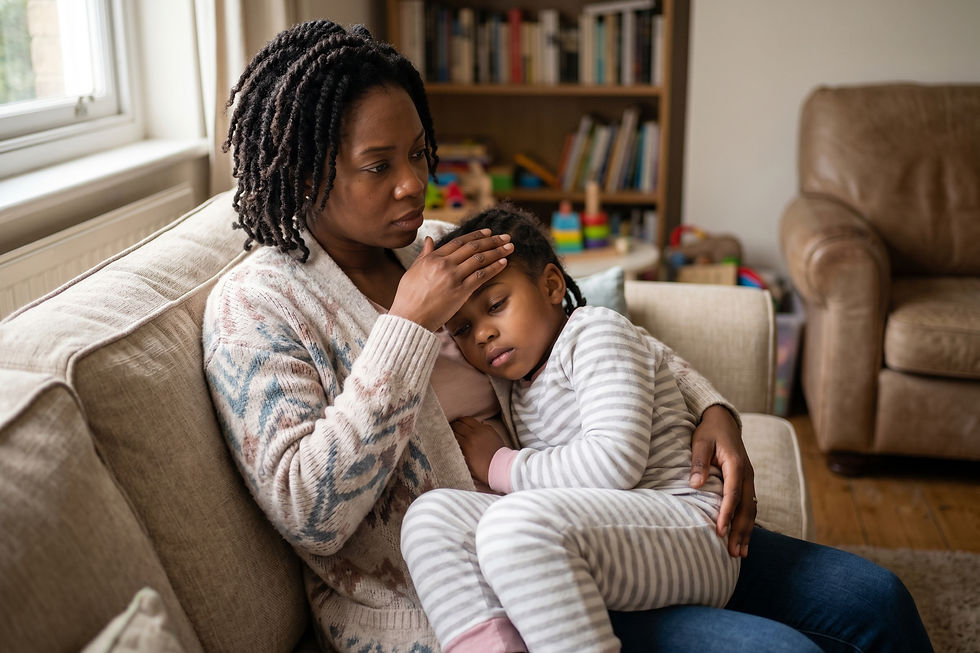
For extra peace of mind and clear guidance when tracking your child's symptoms, the FeverCoach app is always there to help.