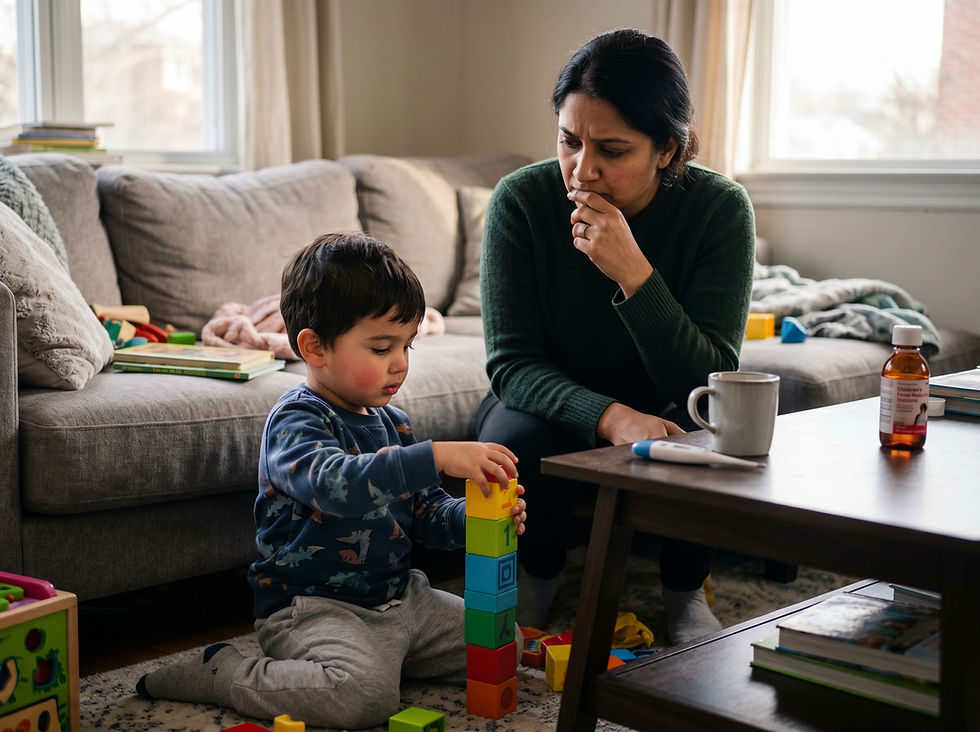
Q: My 6-year-old has Influenza A, a history of febrile seizures, and an ongoing fever while hospitalized abroad. Is it safe to take a long flight back home tonight?

Updated: Sep 7
Medically reviewed by Sang Hyun Ahn, MD
Content edited by Myeongchan Kim, MD
This post is a dramatization of a question and answer session experienced by our actual medical reviewers. Please note that this content is for informational purposes only and does not constitute medical advice. Always consult with a qualified healthcare professional for any health concerns or before making any decisions related to your health or treatment.

Question:
My 6-year-old son was diagnosed with Influenza A a few days ago and had a febrile seizure early the next morning. He is currently hospitalized abroad. He has been taking oral flu medicine, fever reducers, antibiotics, and anticonvulsants, but his fever is still fluctuating. Yesterday, he had chills and mild tremors, which the doctor identified as mild convulsions. His blood tests and ultrasound were normal. Last night his temperature dropped to 37°C, but this morning it spiked to 39°C again. After an antipyretic injection, it dropped to about 37.5°C but is now creeping back up to 38°C.
We are scheduled to take a flight back to our home country late tonight. Is it too dangerous to fly while his fever is still unstable? My husband has to return to work, but we are wondering if we should delay our flight and stay at the hospital for another day to be safe. Will flying make his condition worse? Please advise.
Answer:
It sounds like you are facing a very stressful situation with your child being hospitalized abroad. Making a decision about an international flight while his fever is still unstable and he has recently experienced a febrile seizure is certainly difficult.
Current Condition Assessment:
High-Risk Status: The combination of Influenza A and a recent febrile seizure puts your child in a high-risk category.
Acute Phase: The fact that his fever is still fluctuating between 38°C and 39°C indicates he is still in the acute phase of the illness.
Seizure Precaution: The chills or mild tremors observed require close attention, especially since he is currently taking anticonvulsants. Ongoing medical observation is highly important right now.
Risks of Boarding a Flight Now:
Cabin pressure changes and the stress of travel can potentially increase the risk of another seizure.
Emergency medical interventions are extremely limited on an airplane.
A high fever in a dry cabin environment can quickly worsen dehydration.
A long-haul flight would be a significant physical burden on your child in his current state.
Recommendations:
Delay Travel: Staying in the hospital for at least another day appears to be the safest option. Your child's safety and health must take priority over work schedules. It is generally recommended to wait until the fever has been completely stable for at least 24 hours before considering a flight.
Consult the Attending Physician: You must consult the local doctor currently treating him for official medical clearance before deciding to fly.
Reschedule the Flight: Check with your airline; many will allow you to change your flight schedule if you provide a medical certificate from the hospital proving your child is unfit to travel.
Prepare for Emergencies: When you do eventually travel, ensure you are fully aware of how to manage a recurrent seizure and that you have a sufficient supply of anticonvulsants and fever reducers prescribed by the doctor.
Seek Immediate Medical Attention from Local Hospital Staff if:
Seizures persist or repeat.
He shows signs of decreased consciousness or extreme lethargy.
He experiences any difficulty breathing.
Please prioritize your child's recovery and consult closely with your current medical team for an in-person evaluation of his fitness to fly before proceeding with your travel arrangements.

For extra peace of mind and clear guidance when tracking your child's symptoms, the FeverCoach app is always there to help.