
Q: My child has a fever and refuses to eat after receiving vaccines. Is it okay to just offer milk or formula?

Medically reviewed by Sang Hyun Ahn, MD
Content edited by Myeongchan Kim, MD
This post is a dramatization of a question and answer session experienced by our actual medical reviewers. Please note that this content is for informational purposes only and does not constitute medical advice. Always consult with a qualified healthcare professional for any health concerns or before making any decisions related to your health or treatment.
Question:
My child received the inactivated Japanese encephalitis and Hepatitis A vaccines this morning around 9:00 AM. By 2:00 PM, their temperature rose to 38.1°C (100.6°F), so I gave them a dose of acetaminophen. The main issue is that my child is completely refusing to eat any solid food. I barely managed to get them to drink a little milk. Is it okay if they do not eat? I also have some leftover formula at home—would offering formula be better than milk?

Answer:
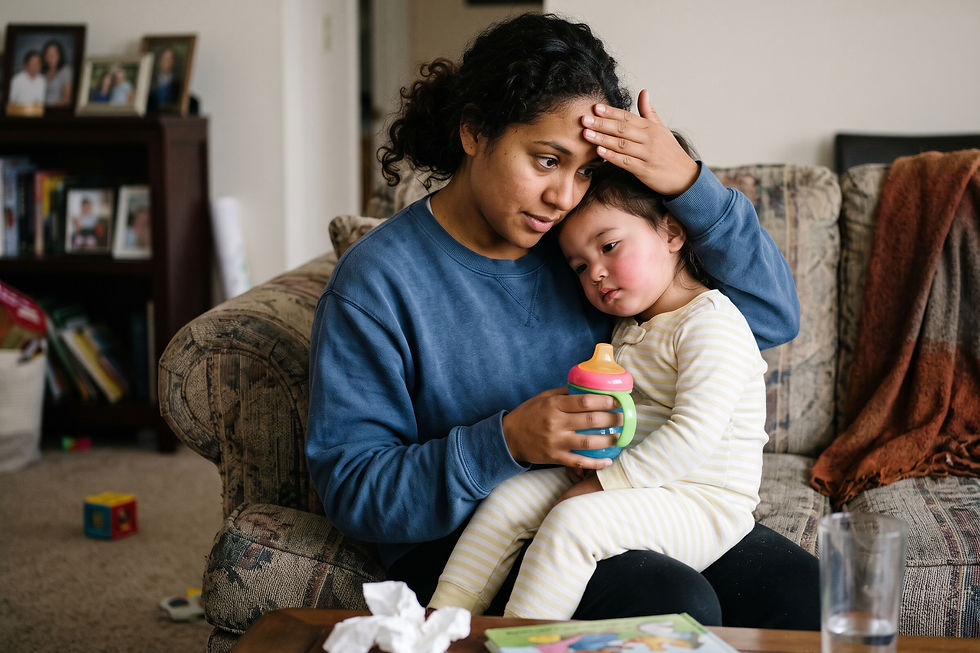
It is completely understandable to feel concerned when your child develops a fever and stops eating after their shots.
A fever of 38.1°C (100.6°F) and a temporary loss of appetite are common immune responses following vaccinations like Hepatitis A and Japanese encephalitis. As long as your child is drinking some fluids, the risk of dehydration remains low.
Here is what you can do at home:
Prioritize hydration over solid food: Fluid intake is far more important than eating meals right now. Whether you offer regular milk or leftover formula does not make a major difference—give whichever one your child accepts more readily. (Formula does offer slightly more balanced calories, but fluid intake is the main goal.) Offer small amounts frequently, such as a few sips every 10 to 20 minutes, rather than trying to get them to drink a full bottle or cup at once.
Do not force meals: It is very common for children to have a reduced appetite for 24 to 48 hours after vaccination. As long as they stay hydrated, missing meals for a couple of days will not cause harm. Their normal appetite should return once the fever and post-vaccine fussiness resolve.
Fever and comfort management: If your child seems uncomfortable, irritable, or in pain, you may continue giving acetaminophen every 4 to 6 hours as directed by the product packaging or your doctor (typically up to a maximum of 5 doses in 24 hours). Keep them dressed in light, breathable clothing and maintain a comfortable room temperature.
Warning signs to watch for:
Seek an in-person medical evaluation promptly if you observe any of the following:
Signs of dehydration, such as no wet diapers or urination for 8 hours or more, crying without tears, or dry lips and tongue
Extreme lethargy, unusual drowsiness, or difficulty waking up
Difficulty breathing, rapid breathing, or the skin pulling in around the ribs or collarbone when breathing
The fever lasts longer than 48 hours
New or worsening symptoms appear, such as persistent vomiting, diarrhea, or an unexplained rash
For the next day or two, focus on fluids like milk, formula, or water, and keep a close eye on their hydration. If you notice any of the warning signs above or if your child's condition does not improve after 48 hours, please consult your pediatrician.
For extra peace of mind and clear guidance when tracking your child's symptoms, the FeverCoach app is always there to help.