
Q: Can a 14-month-old baby develop a fever the day after receiving Japanese Encephalitis and Flu vaccines?

Medically reviewed by Sang Hyun Ahn, MD
Content edited by Myeongchan Kim, MD
This post is a dramatization of a question and answer session experienced by our actual medical reviewers. Please note that this content is for informational purposes only and does not constitute medical advice. Always consult with a qualified healthcare professional for any health concerns or before making any decisions related to your health or treatment.
Question:
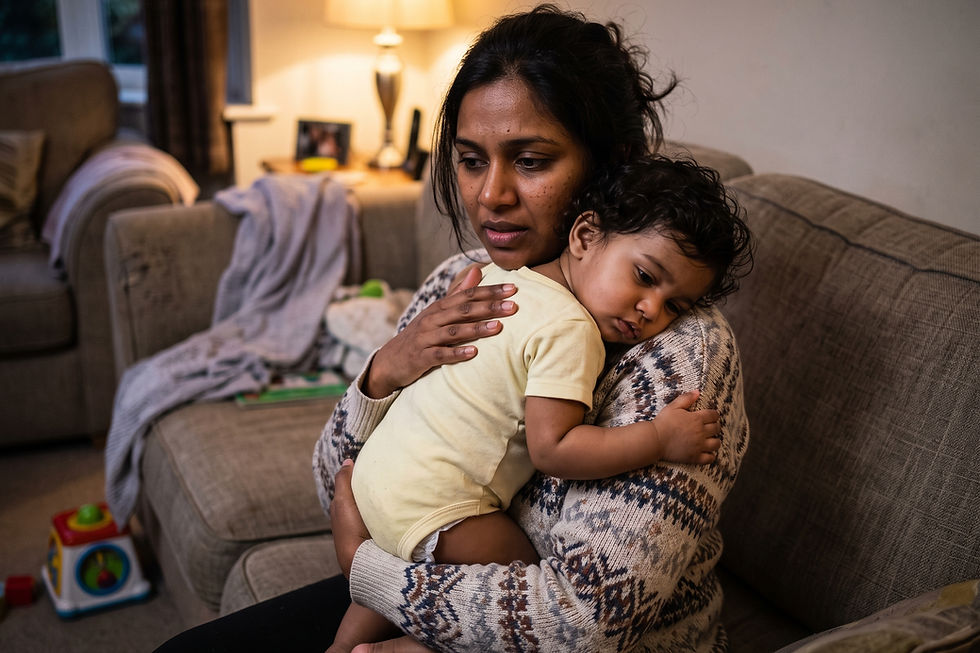
My 14-month-old received their first inactivated Japanese encephalitis vaccine and second flu vaccine on a Friday afternoon. On Saturday morning, their temperature was 38.1°C, and they had a mild fever throughout the day. On Sunday morning, it fluctuated between 37.7°C and 38.1°C. Since my baby was eating well and in good spirits, I didn't give any fever reducer. However, by Sunday evening around 6:00 PM, the fever spiked to 38.9°C, so I administered an antipyretic.
My baby has never had a fever after vaccinations before. Is it possible for a fever to start the day following the vaccination rather than on the day it was given?
Answer:
It is completely understandable to be concerned when your 14-month-old baby develops a fever after vaccinations.
Yes, it is perfectly normal for a fever to occur 24 to 48 hours after vaccination. In fact, it is quite common for the fever to begin the day after the injection rather than on the day of the vaccination itself. This is especially true when vaccines like the inactivated Japanese encephalitis and the flu shot are administered together.
Assessment of Your Current Situation:
• Experiencing a fever 1-2 days post-vaccination is a normal immune response.
• Administering a fever reducer when the temperature reached 38.9°C was the appropriate course of action.
• The fact that your baby is eating well and maintaining a good overall condition is a very positive sign.
How to Manage the Fever at Home:
Use antipyretics as needed: Only give fever reducers if your child is uncomfortable (e.g., temperature over 38.5°C accompanied by fussiness).
Ensure frequent hydration: Offer plenty of fluids, such as water, breast milk, or formula.
Keep them comfortable: Dress your baby in lightweight clothing and maintain a comfortable room temperature (around 24-26°C).
Soothe the injection site: If the area where the shot was given is swollen or red, apply a cool, damp towel.
When to Visit a Doctor:
Please seek immediate medical evaluation if you observe any of the following:
• The fever lasts for more than 3 days.
• The fever reaches 40°C or higher.
• Your baby experiences a seizure, lethargy, or decreased consciousness.
• Your baby is severely fussy and cannot be consoled.
• A rash develops and spreads over the entire body.
In most cases, post-vaccination fevers naturally resolve within 2 to 3 days. As long as your child continues to eat and play well, there is no need for excessive worry. However, if the fever persists beyond 3 days or you notice any warning signs, please consult your pediatrician for an in-person evaluation.

For extra peace of mind and clear guidance when tracking your child's symptoms, the FeverCoach app is always there to help.