
Q: My child had Influenza B. Now I have nausea and diarrhea but no fever. Could I be infected?
- Myeongchan Kim, MD

- Jun 19
- 2 min read
Updated: Jul 8
Medically reviewed by Sang Hyun Ahn, MD
Content edited by Myeongchan Kim, MD
This post is a dramatization of a question and answer session experienced by our actual medical reviewers. Please note that this content is for informational purposes only and does not constitute medical advice. Always consult with a qualified healthcare professional for any health concerns or before making any decisions related to your health or treatment.
Question:
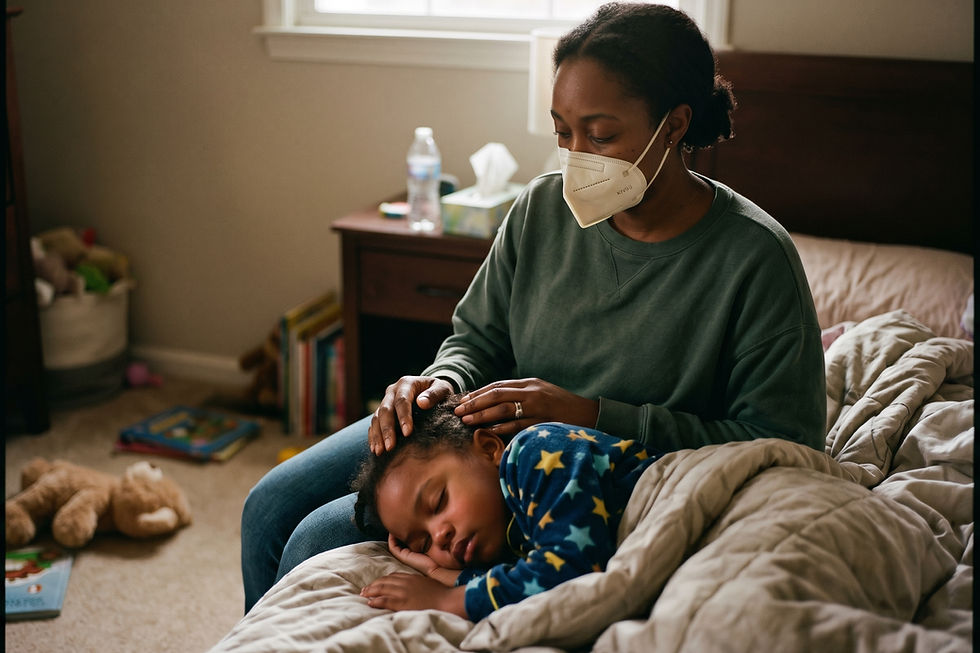
My child recently had Influenza B. Their symptoms started a few days ago, and they were confirmed to have the flu with a cough, high fever, and nausea. Fortunately, their fever finally broke today. I have been wearing a high-quality mask continuously, but we live in the same house. Currently, I don't have a fever or any respiratory symptoms, but I am experiencing nausea, diarrhea, and stomach discomfort, similar to the stomach issues my child had. My body temperature is completely normal. Could I have caught the flu from my child?
Answer:
I am glad to hear that your child's fever has finally broken! Regarding your current symptoms, here is what you should know:
Possibility of Flu Transmission
Influenza B has a very high household transmission rate (often between 50-80%). The virus is also contagious from one day before symptoms even start. Even though you wore a mask, there is still a significant possibility of transmission since you share the same living space.
Evaluating Your Symptoms
Your nausea, diarrhea, and stomach discomfort could certainly be early symptoms of the flu, as it sometimes begins with gastrointestinal issues and no fever. However, these symptoms could also be stress-induced from the exhaustion of caring for your sick child, or they might be caused by a completely different stomach virus.
Home Care Measures
Drink plenty of fluids, such as warm water or electrolyte beverages, to stay hydrated.
Stick to easily digestible foods for your meals.
Get plenty of rest.
Monitor your body temperature by checking it 2 to 3 times a day.
When to Visit a Doctor
Because it is difficult to determine the exact cause of your symptoms without a formal medical evaluation, you should remain vigilant. Please get tested at a clinic immediately if you develop a fever. You should also seek an in-person medical evaluation if your symptoms worsen (such as frequent vomiting or severe diarrhea) or if they persist for more than 2 to 3 days.
Caring for a sick child is exhausting, so please make sure to prioritize your own health. Remember that antiviral medications for the flu are most effective when taken within 48 hours of symptom onset, so do not hesitate to see a doctor promptly if your condition evolves or worsens.

For extra peace of mind and clear guidance when tracking your child's symptoms, the FeverCoach app is always there to help.