
Q: Can my child have pneumonia with normal inflammation levels and no cough?

Medically reviewed by Sang Hyun Ahn, MD
Content edited by Myeongchan Kim, MD
This post is a dramatization of a question and answer session experienced by our actual medical reviewers. Please note that this content is for informational purposes only and does not constitute medical advice. Always consult with a qualified healthcare professional for any health concerns or before making any decisions related to your health or treatment.
Question:
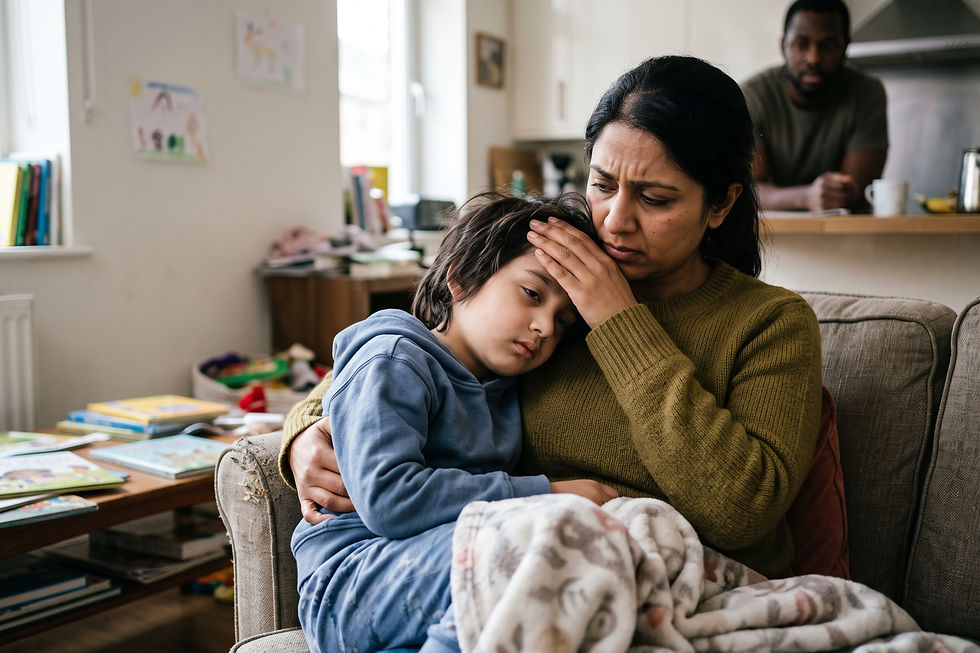
My child had a Mycoplasma infection a month and a half ago. After treatment, they were completely fine for three weeks. However, 10 days ago, they developed a fever of 38.5°C that lasted for two days. Since then, they have been experiencing mild cold symptoms and a lingering low-grade fever (37.4°C–37.7°C) during the day, which drops to about 37.0°C right before bed.
Recent blood tests showed an inflammation level of zero, and their lung sounds are completely clear. Despite this, my child has been extremely lethargic and exhausted for 10 days straight. Can this still be pneumonia even without a cough or elevated inflammation markers? Should we get a chest X-ray, or is this just a lingering aftereffect of the Mycoplasma infection? They have absolutely no energy.
Answer:
It is understandable to be worried when your child remains so exhausted and continues to run a low-grade fever, especially after recovering from a recent Mycoplasma infection.
Based on the current signs—a normal inflammation level, clear lung sounds, and the absence of a cough—the likelihood of a typical pneumonia infection is very low. However, because the extreme lethargy and daily low-grade fevers have persisted for 10 days, it is important to investigate other potential causes beyond simple recovery fatigue.
Should You Get an X-ray?
You should consider taking your child back to the pediatrician for a chest X-ray if they exhibit any of the following symptoms:
Increased respiratory rate or shortness of breath (even while resting)
A noticeable decrease in appetite and fluid intake
Reduced urination (or no urine output for more than 8 hours)
Heavy night sweats or unexpected weight loss
Accompanying abdominal pain, headache, or joint pain
If none of these symptoms are present and the primary issue is just severe lack of energy, your doctor might prioritize additional blood tests over an X-ray. These tests could check liver function, electrolyte levels, anemia, thyroid function, or a viral panel (such as EBV/CMV).
What You Can Do at Home:
Hydration: Aim for 80 to 100 mL of fluids per kilogram of body weight daily (e.g., a 20 kg child should drink roughly 1.6 to 2 liters a day).
Nutrition: Offer meals rich in protein and iron, such as meat, eggs, tofu, and spinach.
Sleep Management: Limit daytime naps to under 30 minutes to ensure a better quality of sleep at night.
Symptom Logging: Keep a daily record of their morning and evening temperatures, food intake, urination frequency, and activity levels to share with your doctor.
When to Seek Immediate Medical Care:
Please seek urgent medical attention if your child experiences breathing difficulties or chest pain, goes more than 8 hours without urinating, becomes unusually confused or difficult to wake up, or if their fever spikes back up to 39°C or higher.
In summary, while pneumonia is unlikely, 10 continuous days of extreme lethargy paired with recurrent low-grade fevers is a strong signal that further medical evaluation is needed. Please consult your pediatrician for a follow-up visit to discuss these ongoing symptoms and determine the appropriate next steps for testing.

For extra peace of mind and clear guidance when tracking your child's symptoms, the FeverCoach app is always there to help.