Q: My 7-year-old had a fever and rash, and now her fingertips are peeling. Could this be Kawasaki disease and does she need a heart ultrasound?

Medically reviewed by Sang Hyun Ahn, MD
Content edited by Myeongchan Kim, MD
This post is a dramatization of a question and answer session experienced by our actual medical reviewers. Please note that this content is for informational purposes only and does not constitute medical advice. Always consult with a qualified healthcare professional for any health concerns or before making any decisions related to your health or treatment.
Question:
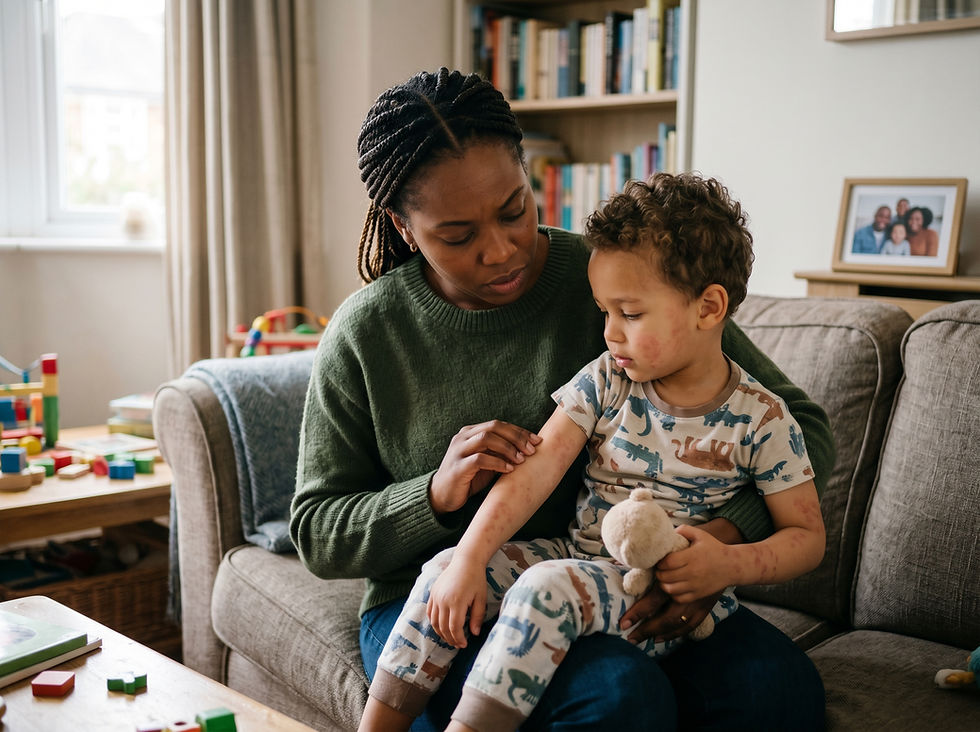
My 7-year-old daughter had a fever for about two days last week. An ENT initially diagnosed it as stomatitis, but the fever didn't go down, and she started complaining of finger pain. We went to a pediatrician who suspected Kawasaki disease, so we were referred to a major university hospital. Blood tests showed elevated inflammation markers, but everything else was normal. She didn't have classic Kawasaki symptoms like bloodshot eyes or a strawberry tongue. She received IV fluids, and after coming home, her fever dropped, and the red rash on her body (hands, arms, stomach) faded away.
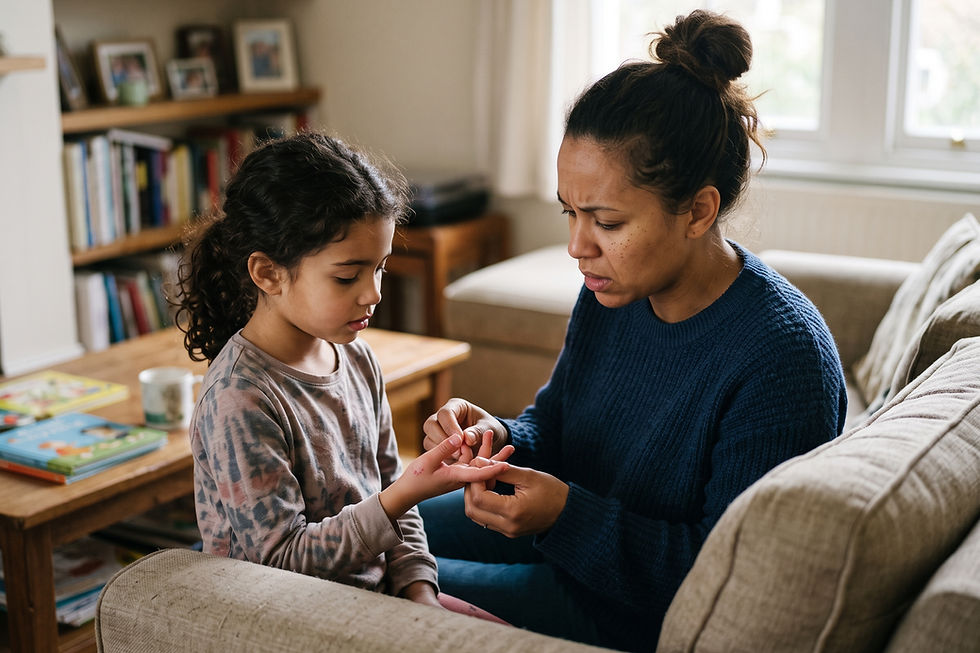
A few days later, her tongue looked a bit suspicious, almost like a strawberry tongue, but since there was no fever or other symptoms, we just monitored her. Today, about 5 days after that (around 10 days since the onset), I noticed the skin peeling off her thumb and index fingertips. I read that this peeling happens during the recovery phase of Kawasaki disease. Are there similar cases of this happening? My biggest worry is the heart complications associated with Kawasaki. Should we go get an echocardiogram (heart ultrasound)? I'd appreciate some advice.
Answer:
It is completely understandable that you are very anxious after watching your child go through these symptoms over the past week.
Current Situation Summary
Your daughter experienced a fever, stomatitis, finger pain, and a rash, but was evaluated at a major hospital where she did not meet the full diagnostic criteria for Kawasaki disease (as she had no red eyes or strawberry tongue at the time). Her fever and rash resolved after receiving IV fluids. Now, about 10 days after the onset, you have noticed peeling skin on her fingertips, along with a borderline strawberry tongue a few days ago.
Key Medical Points
Classic Kawasaki disease is typically diagnosed when a child has a prolonged fever along with at least four out of five main clinical signs. The hospital previously evaluated her and determined she did not meet these full criteria.
Fingertip peeling: While peeling of the fingertips and toes is a known symptom during the recovery phase of Kawasaki disease (usually 2 to 3 weeks after onset), it can also frequently occur during the recovery phase of common viral infections, such as enterovirus or adenovirus, especially if symptoms like prolonged fever, red eyes, strawberry tongue, and swollen lymph nodes were absent.
Heart complications: Coronary artery complications (such as aneurysms) primarily occur in untreated, classic Kawasaki disease cases. In your daughter's case, she received fluid treatment and her symptoms improved rapidly, which is a very positive sign.
What to Do Now
Contact your child's treating pediatrician/hospital: Call the pediatric department that treated her and report the peeling skin on her fingertips. You can state, "I noticed peeling on her fingertips 10 days after the fever started. I would like to check if an echocardiogram is necessary." The attending doctor will make a clinical decision based on her previous test results, clinical course, and current symptoms.
Monitor for warning signs: Seek immediate medical evaluation if you notice any of the following:
Return of fever (38°C / 100.4°F or higher)
Bloodshot eyes, cracked/bleeding lips, or swollen lymph nodes in the neck
Chest pain, shortness of breath, unusual paleness, or severe fatigue
Worsening swelling or pain in the hands and feet
Home care: Apply moisturizer frequently to her peeling fingertips and encourage her not to forcibly peel or pick at the skin. Ensure she gets plenty of rest and hydration.
Echocardiogram (Heart Ultrasound) Timing
For confirmed Kawasaki disease, an echocardiogram is routinely recommended during the acute phase and again during the recovery phase (typically at 2 and 6 weeks). Because your daughter presented with "incomplete" criteria, her attending doctor must determine the necessity of the ultrasound based on her specific clinical course and inflammation markers. Following your consultation, they will advise whether to simply observe, schedule an outpatient re-evaluation, or perform the ultrasound now.
Conclusion
While "incomplete" (atypical) Kawasaki disease cases do exist, she was already evaluated at a specialized hospital and showed rapid improvement. In these scenarios, careful monitoring is the standard approach rather than immediate over-treatment. Please contact your treating pediatric department today to report the peeling skin and verify if an echocardiogram is clinically indicated.

For extra peace of mind and clear guidance when tracking your child's symptoms, the FeverCoach app is always there to help.