Car Sickness in Kids: Prevention Tips and Medicine Safety

For a child who is otherwise well and feels nauseated only during car rides, taking breaks and looking outside instead of reading or using screens may reduce car sickness. Keep your child in their usual age-appropriate car seat or booster, and ask their pediatrician before giving motion sickness medicine. Vomiting in a baby, symptoms outside travel, or symptoms that continue after the ride need medical advice rather than an assumption of car sickness.
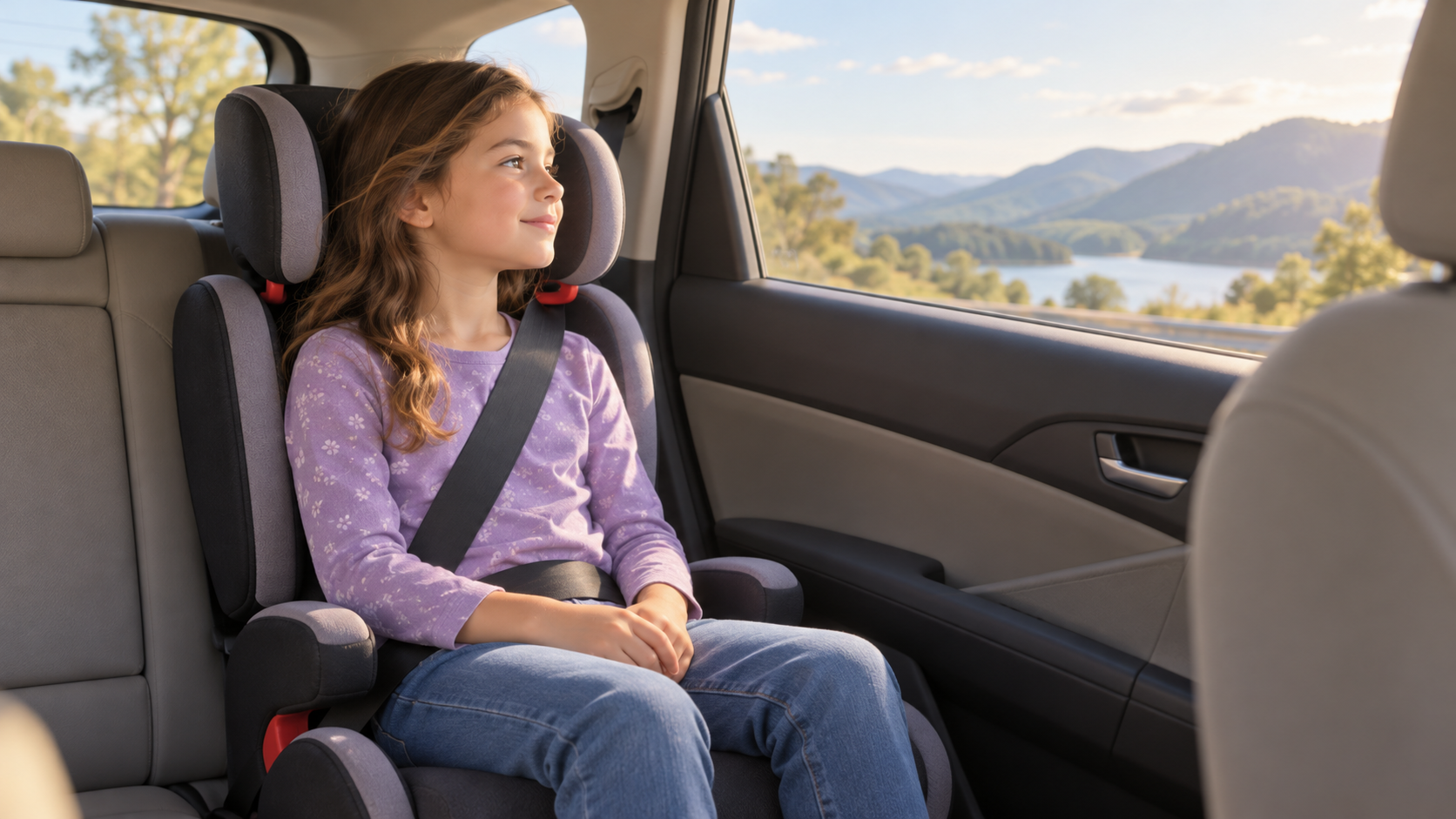
Recognize symptoms early
Car sickness can cause nausea, dizziness, a pale appearance, cold sweating, and vomiting. A younger child may become quiet or fussy before they can explain what feels wrong.
Motion sickness happens when the brain receives conflicting information about movement from the eyes and inner ear. Reading or concentrating on something inside the car can make that mismatch worse. MedlinePlus explains motion sickness and ways to reduce it.
Help prevent symptoms during the ride
Put books, games, and screens away. Encourage your child to look at distant scenery through a window if they can do so comfortably from their secured seat.
Plan breaks. Allow time to stop safely, especially on trips that have caused symptoms before.
Use activities that do not require looking down. Talking, singing, or listening to an audiobook may make the ride easier.
Keep the car comfortable. Avoid overheating and strong odors that seem to trigger your child's nausea.
Seat safety comes first. Do not turn a rear-facing seat forward early or move a child to the front seat to improve the view. Children younger than 13 should ride in the back seat. Keep the harness or seat belt properly fastened whenever the car is moving.
The American Academy of Pediatrics' car sickness guidance recommends looking outside and stopping for a break when symptoms begin.
What to do when your child feels sick
Tell the driver early and stop in a safe location. Keep your child buckled until the car is fully stopped. Once safely parked, an adult can help the child get out and take a short walk away from traffic, if the child feels steady enough.
If your child vomits, pause the trip and let them recover. For children aged 1 year or older, offer small sips of water once they are fully alert, able to swallow, and no longer actively vomiting. For babies younger than 1 year, seek prompt pediatric guidance about appropriate fluids rather than giving plain water for rehydration. Do not force food or a large drink. Repeated vomiting or trouble keeping fluids down needs medical advice.
Ask the pediatrician before using medicine
Some motion sickness medicines can cause sleepiness or other side effects, including agitation in children. An over-the-counter label does not mean a medicine is appropriate for every age.
Before a trip, ask your child's pediatrician:
Is a medicine suitable for my child's age and health?
Could it interact with another medicine my child takes?
If recommended, when should it be used, and which side effects require help?
Do not use medicine just to make a child sleep through the ride, and do not combine products without checking their ingredients with a pediatrician or pharmacist. This article does not provide medication doses.
When to get medical help
Contact the pediatrician the same day if vomiting continues after the ride, happens without motion, or prevents your child from keeping fluids down. Also call for signs of dehydration, such as much less urination, a dry mouth, or few tears, or if symptoms occur with fever, headache, or ear pain. For a baby with vomiting, seek advice promptly rather than assuming motion sickness.
Seek urgent medical evaluation for green or bloody vomit, severe abdominal pain, a severe headache, or new trouble walking. These symptoms should not be treated as routine car sickness.
Call 911 if your child has trouble breathing, is unresponsive or very difficult to wake, or has a seizure.
This article provides general education and does not replace medical advice for your child.
By Sang Hyun Ahn, MD